

Best Home Safety Equipment for Seniors: 2026 Guide
Table of Contents
- How to Choose the Right Home Safety Equipment
- Quick Comparison: Top Home Safety Equipment for Seniors
- Bathroom Safety Equipment for Seniors: Essential Upgrades
- Bedroom Safety: Bedside Rails and Monitoring Systems
- How to Prevent Elderly Falls at Home: Key Strategies
- Home Safety Checklist for Elderly: A Room-by-Room Guide
- Conclusion: Building a Safer Home for Independent Living
- Frequently Asked Questions
Last Updated: September 6, 2026
Helping a parent or loved one age safely at home often starts with a single question: what home safety equipment actually prevents falls and supports independent living? Choosing the best home safety equipment for seniors isn't about buying everything at once. It is about matching the right tools to the specific mobility, balance, and cognitive challenges your family member faces. At EnhDme, we understand the goal is always the same: keep your loved one safe while preserving their dignity and independence.
The most effective home safety equipment focuses on the areas where seniors spend the most time and where falls most commonly occur: the bathroom, the bedroom, and the pathways between them. By addressing these zones strategically, you reduce hazards and build confidence for aging in place. Below, we will discuss how to assess your home, prioritize purchases, and create a safety plan that adapts as needs change. We will also cover common considerations like installation and insurance questions, so you can move forward with more clarity.
How to Choose the Right Home Safety Equipment
Start your selection process with a room-by-room safety assessment rather than shopping for products first. Walk through the home and note where your loved one feels unsteady, where they need to reach or stretch, and where they transfer between sitting and standing positions. These are the moments when falls happen.
A common mistake is buying equipment based on a diagnosis rather than daily function. A person with early-stage memory loss needs different support than someone recovering from hip replacement. Match the equipment to the specific activity that is difficult, whether that is stepping into a shower, rising from a toilet, or getting out of bed at night.
Consider the user's weight, height, and grip strength when evaluating any product. Check weight capacities and adjustability ranges against the person's actual measurements. Also think about who will maintain the equipment. Many caregivers overlook this, but cleaning, battery changes, and re-positioning are ongoing tasks that affect whether safety gear stays effective.
Quick Comparison: Top Home Safety Equipment for Seniors
To help you prioritize, here is a snapshot of the core equipment categories and what each one addresses. This summary table reflects our top picks for building a layered safety plan.
| Equipment Type | Primary Purpose | Best For | Starting Price |
|---|---|---|---|
| Wireless Call Button | Requesting help from any room | Active seniors who move around the house | $59.95 |
| Bed Sensor System | Alerting caregiver when leaving bed | Night wandering or fall risk | $119.95 |
| Bedside Handrail | Supporting safe bed transfers | Weakness or post-surgery recovery | $83.99 |
| Toilet Support Rails | Assisting sit-to-stand in bathroom | Reduced leg strength or balance issues | $49.99 |
| Shower Chair with Arms | Providing seated stability while bathing | Fatigue, balance concerns, or fall risk | $46.99 |
| Bedside Floor Mat | Cushioning impact beside the bed | Rolling out of bed or transfer slips | $106.99 |
These six categories form the foundation of most home safety setups. The table shows our starting prices, which reflect the quality and durability you need for daily use. Budget-friendly options exist, but equipment that fails under regular weight or moisture will cost more in the long run.

Bathroom Safety Equipment for Seniors: Essential Upgrades
Bathroom safety equipment for seniors is the highest priority because the combination of water, hard surfaces, and standing transfers creates the most dangerous environment in the home. The single most valuable upgrade is a shower chair with arms. It eliminates the need to stand on wet, slippery tile and provides a stable base for washing. A height-adjustable model with non-slip feet and a 350-lb capacity suits most users and is available for $46.99.
Toilet support rails are the next essential addition. These bolt directly to the existing toilet hinge points, providing sturdy armrests for lowering and rising without drilling into floors. Look for adjustable widths between 15.5 and 18 inches to accommodate different body sizes, like the AquaSense rails we carry for $49.99.

For tubs without a dedicated shower area, a transfer bench allows the user to sit and slide into the tub rather than stepping over the rim. For those who need portable support while traveling or in rental homes, a suction cup grab bar with color indicators can help, but remember these are for balance only, never full weight support.
Bedroom Safety: Bedside Rails and Monitoring Systems
The bedroom presents unique risks because falls often happen during the night when the senior is disoriented or trying to reach the bathroom. Bedside rails provide the physical support needed for safe transfers in and out of bed. A rotating handrail that clamps to the bed frame can offer rigid use. For many home beds, an under-mattress rail with an extra-long safety strap works well and supports up to 300 lbs.
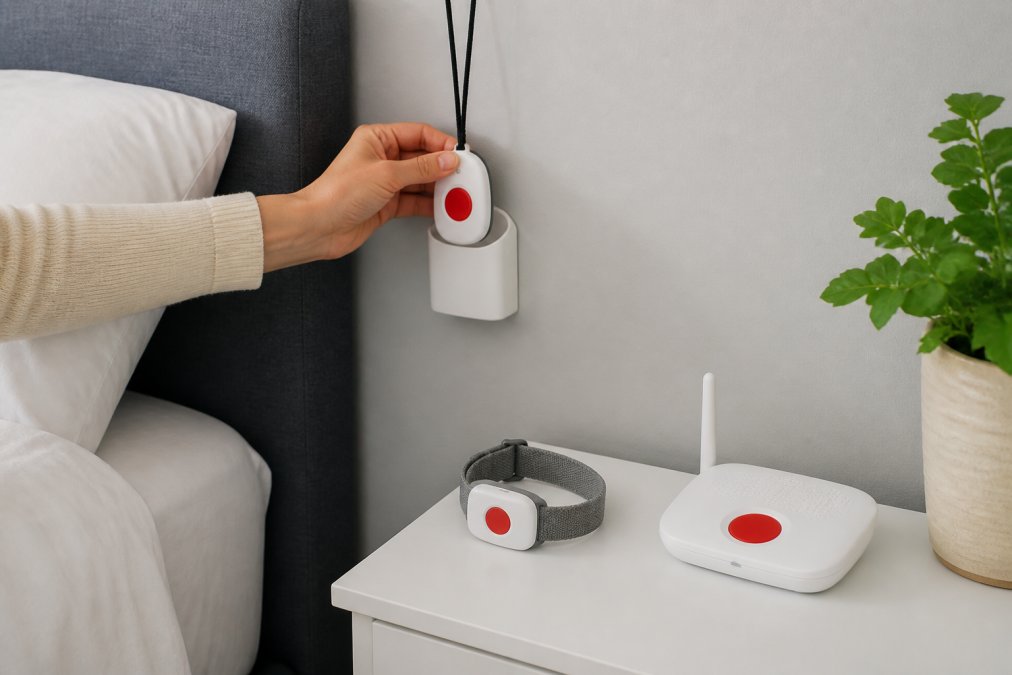
Pair the rail with a bed sensor system for comprehensive protection. A sensor pad placed under the mattress detects when the upper back lifts off the bed and alerts a caregiver remotely, without sounding an alarm in the bedroom that could cause confusion. Many systems also include a wireless nurse call button, allowing the senior to request help proactively before attempting to stand.

A bedside floor mat adds a final layer of cushioning. High-density foam mats placed beside the bed absorb impact if a fall does occur, reducing the severity of injury on hard floors.
How to Prevent Elderly Falls at Home: Key Strategies
Understanding how to prevent elderly falls at home requires addressing three factors: environmental hazards, physical limitations, and nighttime risks. The most effective strategy is to create clear, unobstructed pathways throughout the home. Remove loose rugs, secure cords along walls, and ensure furniture does not protrude into walking routes.
Lighting is a critical and often overlooked element. Install motion-activated lighting in hallways, bathrooms, and along the path from bed to bathroom. Night lights with automatic sensors eliminate the need to find a switch in the dark, which is when many falls occur.
Physical support should be placed wherever the senior transitions between positions. This includes the edge of the bed, the toilet, the shower, and any chair they use regularly. A wireless call button worn as a pendant or kept by the bedside ensures help is always within reach, even if a fall does happen.
Home Safety Checklist for Elderly: A Room-by-Room Guide
Use this home safety checklist for elderly adults as a practical audit tool. Work through each room and mark off the items that are already in place.
Entryways and Hallways
- Clear paths free of clutter and loose rugs
- Adequate lighting at all entrances
- A place to sit while removing shoes
Living Areas
- Stable seating with armrests at the correct height
- Clear walking paths between furniture
- No low tables or obstacles at foot level
Bathroom
- Shower chair or transfer bench in place
- Toilet support rails installed
- Non-slip mat inside the tub or shower
- Grab bar at the shower entry point
Bedroom
- Bedside rail for transfer support
- Bed sensor or call button within reach
- Floor mat beside the bed
- Clear path to the bathroom with night lighting
Stairs and Elevated Areas
- Sturdy handrails on both sides
- Non-slip treads on each step
- Motion-activated lighting at top and bottom
Work through this checklist methodically, and you will identify gaps you might have missed. For seniors with cognitive challenges, add visual contrast to edges of steps and use door sensors to alert caregivers of wandering.
Conclusion: Building a Safer Home for Independent Living
Creating a safer home is not a one-time project but an ongoing process of observation and adjustment. As mobility and cognitive needs change, the home safety equipment must evolve too. Reassess the environment every few months and after any hospital stay or noticeable decline.
At EnhDme, we understand the worry behind these decisions. Our team, founded by experienced caregivers, offers a curated selection of reliable durable medical equipment from trusted manufacturers. Every product we carry, from the Smart Caregiver wireless call button to the Drive Medical shower chair, is chosen for safety, comfort, and quality of life. We are a registered healthcare provider and authorized retail partner, so you can trust what you are buying.
Get started with EnhDme and build a home safety plan that supports the independent living your loved one deserves.
Frequently Asked Questions
What is the most essential home safety equipment for seniors?
While every home differs, grab bars in the bathroom and improved lighting are foundational. Falls often happen in wet areas and during nighttime trips. A shower chair and a raised toilet seat with support rails reduce strain. Bedside rails or a bed sensor system help prevent falls during the night. Starting with a home safety assessment helps you identify the most critical needs for your specific situation.
What bathroom safety equipment is essential for preventing slips?
Essential bathroom safety equipment for seniors includes a sturdy shower chair with a back and arms, non-slip grab bars for the shower and toilet area, and a raised toilet seat or a bedside commode for easier transfers. For tubs, a transfer bench is a safer alternative to stepping over the edge. These items reduce the distance you need to step and provide stable support where slips are most likely.
How can caregivers choose the right medical alert system for a senior?
When choosing a medical alert or call system, first assess the senior's mobility and cognitive state. A wearable call button with a lanyard offers independence for active seniors. For those who wander or are at risk of falling out of bed, a bed sensor system that alerts a caregiver is a better choice. Consider range, battery life, and whether a visual alert light is needed for hearing impairments.
What should be included in a home safety assessment for elderly residents?
A thorough home safety assessment reviews each room for fall and accident risks. Key areas include checking for loose rugs and clutter in walkways, ensuring adequate lighting, especially on stairs and hallways, and evaluating the bathroom for grab bars and non-slip surfaces. The bedroom should be checked for safe transfer aids like bedside rails. Finally, assess if frequently used items are within easy reach to avoid the need for step stools.
Leave a comment