

Essential Home Safety Products for Seniors
Table of Contents
- Why Essential Home Safety Products for Seniors Matter
- How to Prevent Elderly Falls at Home
- Bathroom Safety Equipment for Seniors
- Mobility Aids and Transfer Equipment
- Bedroom Safety and Bed Rails
- Home Modification Checklist for Aging in Place
- Smart Home Integration for Caregivers
- Frequently Asked Questions
Last Updated: October 1, 2026
Why Essential Home Safety Products for Seniors Matter
Falls are the leading cause of injury-related death for adults over 65. Creating a safer home environment isn't just about convenience, it's about preserving independence and giving families peace of mind. When seniors can move through their homes confidently, they stay active longer, maintain their dignity, and avoid the cascading health complications that follow a serious fall.
The right essential home safety products for seniors can mean the difference between an active, independent life and one limited by fear or injury. This guide covers the practical, proven solutions that work.
How to Prevent Elderly Falls at Home
The best way to prevent elderly falls at home starts with understanding where they happen. Bathrooms account for the majority of fall injuries, followed by bedrooms and stairs. The good news: most fall risks are fixable with simple modifications and the right equipment.
Walk through your home and identify where you'd naturally reach for support, where lighting is weak, and what creates tripping hazards. Common culprits include loose rugs, clutter on stairs, poor lighting, and slippery bathroom floors. Removing throw rugs, securing electrical cords, and adding nightlights cost almost nothing but eliminate real dangers.
For mobility support, a lightweight 4-wheel rollator with a padded seat provides stability during walking while offering a place to rest. Look for one with hand brakes you can operate easily and wheels that roll smoothly on both carpet and hard floors. EnhDme offers a variety of options, including the McKesson adult Aluminum Folding Walker with Wheels, designed for comfort during extended use.

Motion-activated nightlights in hallways and bathrooms eliminate fumbling for switches. Bright, even lighting in staircases and entryways reduces missteps. Add lights under kitchen cabinets and in closets to address often-dark areas.
| Safety Zone | Primary Hazard | Quick Fix | Equipment Solution |
|---|---|---|---|
| Bathroom | Slippery floors, low toilet | Non-slip mats, grab bars | Raised toilet seat, support rails |
| Bedroom | Getting in/out of bed | Bed rails, nightlights | Bed assist handle, cordless monitor |
| Stairs | Uneven steps, poor lighting | Secure handrails | Step lights, handrail grips |
| Kitchen | Reaching overhead, spills | Remove clutter | Reachers, non-slip mats |
| Entryway | Tripping on threshold | Clear pathways | Adequate lighting, walker |
Bathroom Safety Equipment for Seniors
Bathrooms are where most falls happen due to wet floors, slippery surfaces, and awkward movements. The good news: bathroom safety equipment for seniors is straightforward and highly effective.
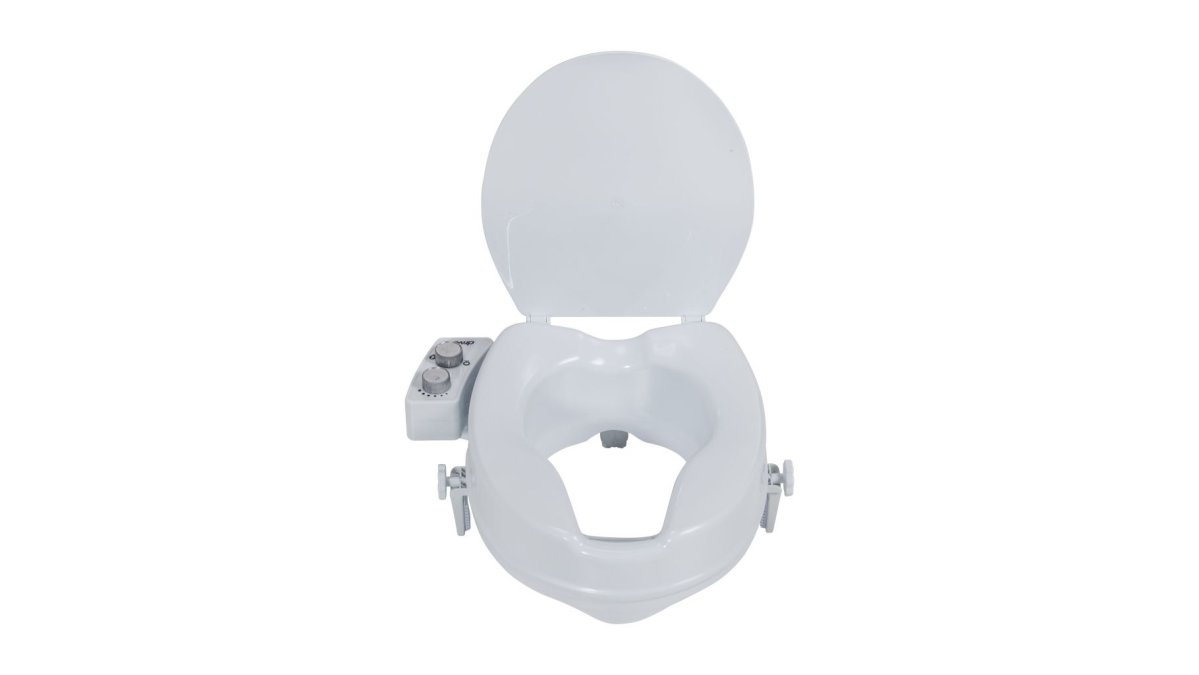
A raised toilet seat, such as the Drive Medical PreserveTech Raised Toilet Seat with Bidet, can make standing back up easier on hips and knees.

Mobility Aids and Transfer Equipment
A lightweight folding walker with wheels and hand brakes gives seniors confidence on both carpet and hard floors. The U-shaped front crossbar allows you to pull it close during sitting-to-standing transfers, crucial for maintaining balance.
Bedroom Safety and Bed Rails
Bedrooms present unique fall risks because nighttime mobility is often unplanned and unsupported. Falls from bed or during nighttime bathroom trips account for a significant portion of senior injuries.
Bed Exit and Transfer Safety
Lighting and Orientation
Monitoring and Reassurance
Bed Height and Firmness
Creating a Bedroom Safety Zone
Home Modification Checklist for Aging in Place
Address the highest-risk areas first, then work outward based on your specific situation and resources.
Step 1: Identify Your Highest-Risk Zones
Ask yourself:
- Where do I move most slowly or unsteadily?
- Where do I naturally reach for support?
- Where is lighting weakest?
- Where do I spend the most time?
- Where have I already had a close call or minor fall?
Step 2: Separate Low-Cost Hazard Removal from Equipment Investment
Lift Buddy Folding Fall Recovery Chair – Motorized 440lb Capacity Home Floor →
Step 3: Address Critical Transfer Points with Permanent Support
Step 4: Enhance Visibility and Navigation
Step 5: Evaluate Mobility Support Based on Current Function
Step 6: Create a Room-by-Room Action Plan
Bathroom (Highest Priority)
- Install grab bars near the toilet
- Add non-slip mats inside tub/shower and at sink
- Install raised toilet seat with support rails
- Add bright, even lighting; consider motion-activated lights
- Ensure ventilation to prevent moisture buildup
- Remove clutter; store frequently used items at waist height
- Consider a shower commode chair, such as the McKesson 3-in-1 Commode Chair, if bathing balance is a concern
Bedroom (High Priority)
- Install a bed assist handle, like the Drive Medical M-Rail Home Bed Assist Handle with Storage Pouch, under the mattress
- Add bedside nightlight or motion-activated light
- Place a cordless bed monitor, such as the Smart Caregiver CordLess Bed Monitor System, if living alone or a caregiver is distant
- Ensure clear pathway from bed to bathroom
- Keep phone within arm's reach of bed
- Use non-slip slippers with good support
- Check bed height (ideally knee-level when sitting on edge)
Stairs & Entryways (High Priority if Present)
- Install handrails on both sides of stairs
- Add step lights or edge markers on stairs
- Ensure adequate overhead lighting
- Clear clutter and electrical cords from walkways
- Check that doorways are at least 32 inches wide for walker passage
- Remove throw rugs or secure with non-slip underlay
Kitchen (Medium Priority)
- Store frequently used items at waist to eye level
- Install under-cabinet lighting
- Use non-slip mats at sink and stove
- Keep a sturdy stool with handholds for reaching (if needed)
- Ensure clear pathways between appliances
- Remove clutter from counters and floors
Living Areas (Medium Priority)
- Remove coffee tables and low furniture that create trip hazards
- Ensure seating is firm and at appropriate height for easy standing
- Install adequate lighting, especially near seating areas
- Use cordless phones or keep cell phone accessible
- Keep emergency numbers posted visibly
Step 7: Reassess Regularly
The goal isn't to make your home look like a medical facility, it's to remove barriers to independence. The best modifications are the ones you actually use because they feel natural and don't draw attention. Start with the highest-risk areas, address them thoroughly, and expand outward as needed.
Smart Home Integration for Caregivers
A cordless bed monitor system, like the Smart Caregiver CordLess Bed Monitor System, sends alerts, letting you know instantly if someone is getting out of bed. Start with simple tools: cordless bed monitors, motion-activated lights, and a reliable way to call for help.
The best technology is the one actually used. A simple cordless bed monitor that works reliably is far more valuable than a complex system that's confusing or unreliable. Start simple and add only what addresses genuine safety gaps.
Frequently Asked Questions
What are the most effective home safety products for preventing falls?
Grab bars, non-slip mats, and proper lighting work together to reduce fall risks. Grab bars should be installed in bathrooms and bedrooms at points where seniors commonly need support. Non-slip mats prevent sliding on tile or hardwood floors. Adequate lighting in hallways and bedrooms helps seniors navigate safely, especially at night. A bed monitor system can alert caregivers if someone gets up unexpectedly.
How can I make a bathroom safer for an elderly person?
Install grab bars near the toilet and inside the shower or tub. Add a raised toilet seat to reduce the distance seniors must lower themselves. Use non-slip mats on bathroom floors and in the tub. Ensure bright lighting around mirrors and the toilet area. Consider a bidet toilet seat, such as the Drive Medical PreserveTech Raised Toilet Seat with Bidet, for easier personal hygiene without excessive bending. These modifications significantly reduce slip and fall risks in the bathroom.
What are the best mobility aids for seniors living at home?
Lightweight walkers with wheels, such as the McKesson adult Aluminum Folding Walker with Wheels, and bed assist handles, like the Drive Medical M-Rail Home Bed Assist Handle with Storage Pouch, support independence for seniors with mobility challenges. A walker with wheels allows movement around the home while providing stability. Bed assist handles make getting in and out of bed easier. Choose equipment based on the individual's strength, balance, and specific mobility needs.
How do I choose the right grab bars for senior home safety?
Look for bars with a diameter of 1 to 1.5 inches that fit comfortably in the hand. They should support at least 300 pounds of weight. Install bars horizontally near toilets and vertically in showers for different grip positions. Choose textured surfaces that provide grip even when wet. Ensure bars are securely anchored to wall studs or use heavy-duty fasteners. Adjustable toilet support rails, such as the AquaSense Toilet Support Rails, adapt to different toilet sizes.
What simple home modifications improve senior independence?
Remove trip hazards like loose rugs and clutter from walkways. Install handrails along stairs and in hallways. Add night lights in bedrooms and bathrooms. Rearrange furniture to create clear pathways. Install grab bars in bathrooms. Ensure adequate lighting throughout the home. Keep frequently used items at waist height to avoid bending or reaching. These modifications help seniors maintain independence while reducing injury risks.
Leave a comment