

Help Aging Parents Live Independently at Home
Still Their Home, Still Their Rules
Most parents want to grow older in the home they love, and most adult children want that for them too. Getting there takes a clear look at what's changing, an honest conversation, and a few well-chosen tools. Here's how to do all three without taking over.
Three in four adults over 50 want to stay in their own homes as they age. Sixty-three million Americans are already helping someone they love do exactly that. If you're one of them, you're not alone, and you don't have to figure it out from scratch. Independence at home is built from small, steady supports, put in place before a crisis forces the issue.
Last Updated: October 15, 2026
Assess Your Aging Parent's Current Needs and Abilities
Helping aging parents live independently starts with understanding where they stand right now. Before changing their home or routine, observe what they do well and where they struggle.
Watch how your parent moves: Do they walk steadily or shuffle? Can they climb stairs without the rail? Does reaching overhead cause pain? These observations tell you more than any checklist.
Ask yourself these questions:
- Can they bathe and dress without assistance?
- Do they manage their medications on their own?
- Can they prepare meals safely?
- Are they able to get in and out of bed easily?
- Do they handle their finances and appointments?
This assessment becomes your roadmap, showing which safety upgrades matter most. At EnhDme, we provide reliable assistive devices and practical guidance so your parent can stay safe, comfortable, and independent.
Abilities change over time, so reassess every few months, especially after a fall, illness, or major life change.
Start your assessment in the rooms where your parent spends the most time: the bedroom, bathroom, and kitchen. These are where many falls and accidents happen.
Signs an Elderly Parent Needs Help at Home
You don't need to wait for a crisis. Many warning signs appear gradually, and catching them early makes a real difference.
- Bruises, scrapes, or unexplained injuries
- Weight loss or skipped meals
- Neglected personal hygiene or appearance
- Difficulty walking or balance problems
- Slow movements or stiffness
- Forgetting to take medications
- Confusion about dates or times
- Leaving the stove on or doors unlocked
- Withdrawing from friends or activities
- Expressing fear about living alone
- Clutter or mess that's unusual for them
- Spoiled food in the fridge
- Unpaid bills or mail piling up
- Unsafe conditions like blocked pathways or loose rugs
One sign doesn't mean full-time care, but several mean it's time to talk. The sooner you discuss aging parents needing help, the sooner you can put supports in place while they still feel in control. New confusion or memory changes deserve a call to their doctor, since some causes are treatable.
A fall is often a turning point. Even if your parent wasn't injured badly, a fall signals that their balance or strength has changed. This is the moment to act on home safety, and to tell their doctor about it.
How to Talk to Aging Parents About Needing Help
This conversation worries many adult children. You don't want to sound controlling or make your parent feel like a burden.
Start by listening, not lecturing. Ask what concerns them about their living situation: stairs, feeling unsafe at night, certain tasks. When they name the problems themselves, they're more likely to accept solutions.
Use "I" statements to express your feelings without blame:
- "I worry when I don't know if you've eaten today."
- "I feel better when I know you have a way to call for help if you need it."
- "I want to help you stay in your home as long as possible."
Avoid language that sounds controlling or dismissive:
- Don't say: "You can't live alone anymore."
- Do say: "I'd like to talk about ways we can make your home safer so you feel more confident."
Frame help as maintaining independence, not losing it. A grab bar gives your parent support so they can keep showering alone; a lightweight walker means they can keep walking with more confidence.
Give your parent choices. "Would you prefer a walker with wheels or one without?" is better than "You need this walker." Choosing gives them agency.

If your parent resists, don't push. Come back later; people need time to accept change, and one conversation rarely settles everything.
The best time to talk is calm and private, not in front of siblings or during an emotional moment. Choose a time when your parent is rested and alert.
Create a Home Safety Checklist for Seniors
Walk through your parent's home room by room and check for hazards. This checklist covers the areas where many falls and accidents happen.
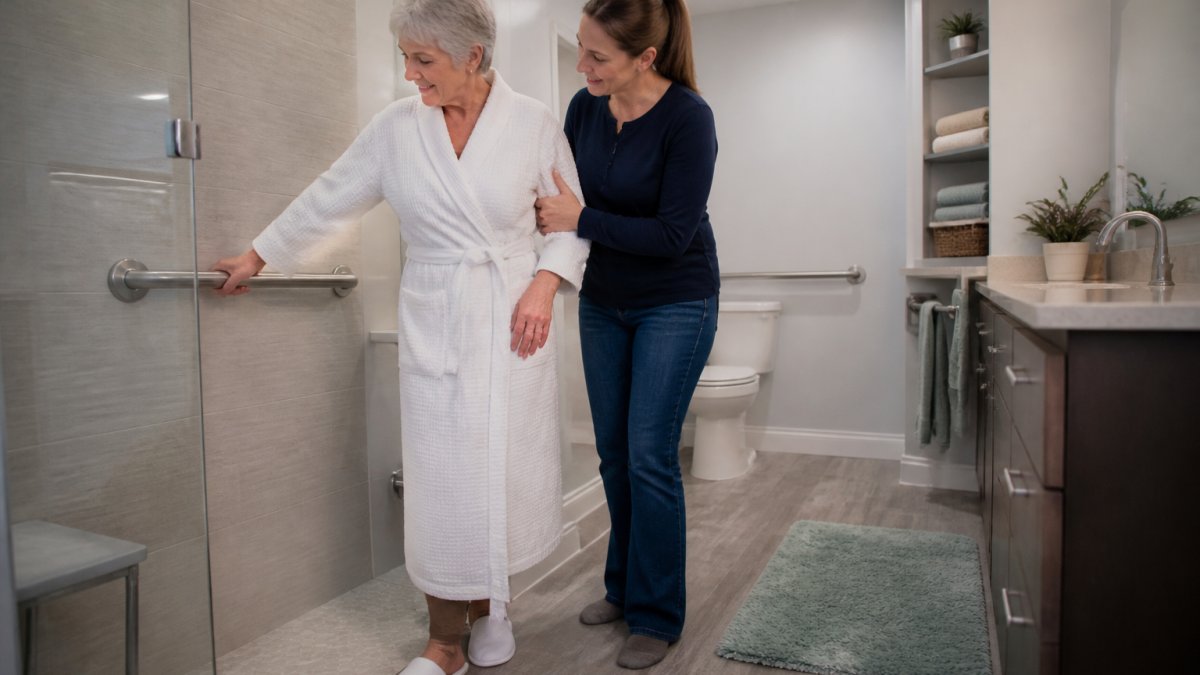
Bathroom and Toilet Safety
The bathroom is one of the riskiest rooms in most homes. Wet floors, hard edges, and the need to balance while undressing create risk. In a CDC study of emergency-room bathroom injuries, more than 8 in 10 were caused by falls.
- Install grab bars on both sides of the toilet and in the shower or tub
- Use a raised toilet seat with armrests to reduce the strain of sitting down and standing up
- Place a non-slip mat on the bathroom floor and inside the tub or shower
- Improve lighting so your parent can see clearly, especially at night
- Remove clutter and ensure pathways are clear
- Keep medications and toiletries at waist level, not overhead
A raised toilet seat with adjustable armrests, like the AltiCare 5" Raised Toilet Seat with Adjustable Armrests 300 lb, reduces bending and makes standing easier. Grab bars should be installed into wall studs, not just drywall.
AltiCare 5" Raised Toilet Seat with Adjustable Armrests

Adds 5 inches of height and secures to the toilet rim without tools. The padded armrests adjust in width and can be removed, one or both, for tight bathrooms. It fits round and elongated bowls and holds up to 300 lb.
View the AltiCare SeatBedroom and Stairways
Falls from bed or between the bedroom and bathroom happen frequently at night.
- Ensure the bed height allows your parent's feet to touch the floor when sitting
- Use a nightlight so they can see when getting up at night
- Keep a phone or call button within reach of the bed
- Remove throw rugs and clutter from the floor
- Make sure pathways to the bathroom are clear
- Install handrails on both sides if possible
- Ensure stairs are well-lit
- Consider a stair lift if your parent struggles with stairs
- Mark the edge of each step with contrasting tape so they're easier to see
- Keep stairs clear of clutter and loose items
Kitchen and Living Areas
A safe kitchen reduces the risk of burns, falls, and accidents.
- Store frequently used items at waist level, not overhead or on the floor
- Use a sturdy step stool with a handrail if your parent needs to reach higher shelves
- Keep the floor dry and clean to reduce slips
- Ensure good lighting, especially over the stove and countertops
- Use a cordless or wireless kettle to avoid tripping on cords
- Label medications and supplements clearly if stored in the kitchen
- Remove throw rugs or secure them with non-slip tape
- Ensure furniture is sturdy and won't tip if used for balance
- Keep pathways clear of clutter, cords, and pet toys
- Use a lightweight walker or rollator if your parent needs mobility support
- Consider a medical alert system for quick help if they fall
Take photos of each room before and after making changes. This helps you remember what you've done and shows your parent the improvements you've made together.
Assistive Devices for Seniors Living at Home
The right assistive device can make a huge difference in your parent's confidence and independence.
McKesson Adult Aluminum Folding Walker with Wheels
A light aluminum frame with 5-inch front wheels and glides on the back legs, so it rolls forward easily but stays put when your parent leans on it. The handles adjust in 1-inch steps, it holds up to 350 lb, and it folds for the car or the closet.
View the WalkerGrab bars in the bathroom are non-negotiable. They give your parent something stable to hold in a wet, slippery space.
A medical alert system or wireless call button, like the Smart Caregiver Wireless Call Button with Lanyard and Wall Cradle, lets your parent summon help quickly. Know the difference before you buy: a wireless call button like this one sends an alert to a receiver inside the home (sold separately), so it works best when a caregiver lives there or nearby. If your parent lives alone, look at a monitored medical alert service that can reach family or emergency responders.

Non-slip mats for the bathroom floor and shower help reduce slides and falls. Make sure they stay in place and don't become a tripping hazard themselves.
Improved lighting, especially in hallways, stairs, and the bathroom, helps your parent see hazards and move confidently at night.
Involve your parent when choosing devices. If they don't like how something looks or feels, they won't use it.
| Device | Purpose | Best For |
|---|---|---|
| Lightweight walker with wheels | Stability while walking | Parents who need support but want mobility |
| Raised toilet seat with armrests | Easier standing and sitting | Anyone with knee, hip, or back pain |
| Grab bars | Stability in wet areas | Bathroom safety, reducing falls |
| Non-slip mats | Reduce sliding | Bathrooms and showers |
| Medical alert button | Quick help if needed | Parents living alone or at high fall risk |
| Improved lighting | See hazards and move safely | Nighttime safety, reducing trips |
Support Daily Routines and Health Management
Help your parent organize medications in a way they'll actually remember: a labeled pill organizer, a phone reminder app, or a written checklist on the fridge. Ask their pharmacist to review the full list once a year, since some medications cause dizziness.
Make meal prep easier with pre-cut vegetables, frozen meals, or grocery delivery. Your parent can still cook; you're just removing the parts that strain them.
Encourage movement. Walking, gentle stretching, or gardening keeps muscles strong and joints flexible. No gym needed; a walk around the block or tending plants counts. Check with their doctor before starting anything new.
Help manage appointments and health information by keeping a list of doctors, medications, and key dates where your parent can find it.
Support their sleep routine. Good sleep matters for balance, memory, and mood.
The goal is sustainable support: help your parent stay healthy and independent, not create a situation where they become dependent on you for everything.
Help Your Parent Stay Socially Engaged and Active
Isolation is a serious risk for aging parents, affecting physical health, mental health, and the will to stay active.
Encourage regular contact with friends and family. Weekly calls, video chats, or visits matter.
Technology can help. Video calls let your parent see grandchildren's faces, social media keeps them connected to friends, and online classes or games engage their minds.
Encourage volunteering or mentoring. Feeling useful boosts mood and purpose, and many organizations welcome older volunteers with flexible schedules.
If your parent lives alone, consider a pet for companionship, movement, and purpose. Even a small pet or fish can make a difference.
Watch for signs of depression or isolation, such as withdrawal, loss of appetite, neglected appearance, or increased forgetfulness, and talk to their doctor.
"Independence isn't doing everything alone. It's living the life you choose, with the right help in the right places."
Build a Support Network and Plan for Changing Needs
No one person can do this alone. Successful aging in place involves multiple people sharing responsibility and a clear plan for changing needs.
of family caregivers use any paid help, such as a home health aide. Most families carry the work themselves, which is exactly why sharing it among siblings, friends, and neighbors matters.
Identify who's involved: siblings, close friends, neighbors, professional services. A strong network includes family, friends, professionals, and community resources.
Have a clear conversation about roles: who handles medical appointments, finances, groceries, and daily check-ins.
Create a written emergency plan: what happens if your parent falls, goes to the hospital, or can no longer live alone.
Plan for changing needs. Your parent may live independently today, but circumstances change. Would in-home care help? A senior community?
Review and update your plan regularly. Abilities, family situations, and finances change, and what worked last year may not work this year.
The families who handle transitions best are the ones who plan ahead and communicate openly. Hard conversations now prevent crises later.
Supporting aging parents as they maintain independence at home takes patience, planning, and the right tools.
Frequently Asked Questions
What are the first signs that aging parents need help living at home?
Watch for difficulty with daily tasks like bathing, cooking, or managing medications. Missed appointments, neglected housekeeping, unexplained bruises or falls, weight loss, and confusion about finances or time are common signals. Changes in mobility, balance problems, or reluctance to leave home also suggest your parent may benefit from support. Trust your instincts: if you notice your parent struggling or withdrawing, it's worth having a conversation about what help they might need.
How do I talk to my aging parent about needing help without making them feel like they're losing independence?
Start with specific observations rather than judgments: "I noticed the kitchen was messier last week. Is cooking becoming harder?" Frame help as a way to preserve what matters most to them, not take it away. Listen to their concerns and involve them in decisions. Many older adults fear losing control, so emphasize that you're helping them stay in their home and maintain their routines on their own terms. Small, practical help often feels less threatening than broad statements about "needing care."
What assistive devices make the biggest difference for seniors living at home?
Mobility aids like the McKesson adult Aluminum Folding Walker with Wheels and grab bars provide stability. Raised toilet seats with armrests, such as the AltiCare 5" Raised Toilet Seat with Adjustable Armrests 300 lb, make bathroom use safer and easier. Shower chairs, like the ERGO SP Shower Chair, reduce the risk of slipping. Call buttons, such as the Smart Caregiver Wireless Call Button with Lanyard and Wall Cradle, let your parent signal a caregiver in the home quickly if they fall or need assistance. Improved lighting in hallways and bathrooms can help reduce fall risk. Start with the areas where your parent spends the most time and struggles most, usually the bathroom and bedroom.
How often should I reassess my aging parent's needs?
Check in every 3-6 months, or sooner if you notice changes in mobility, memory, or daily functioning. After a fall, hospitalization, or significant life event, reassess immediately. Many families find that needs shift gradually, so regular conversations about how things are going help you catch changes early. This isn't about taking over. It's about staying aware so you can offer support when your parent is ready to accept it.
Shop Kevin and Val's Top Picks
Mobility, bathroom, bedroom, and home safety equipment, hand-picked by our caregiver team.
Shop NowFamily Caregiver Resources
Guidance, tools, and support from EnhDme to help you care safely and take a real break.
Explore Resources
For more than 25 years, Valerie has seen home care from every side of the front door. She built and led a home care agency, cared for her own parents, and has long championed older adults and the families who love them. Today she brings that hard-won perspective to EnhDme, helping caregivers find the equipment and supplies that make home a safer, gentler place to give and receive care.
Sources
AARP (2024). New AARP Report: Majority of Adults 50-plus Want to Age in Place (2024 Home and Community Preferences Survey).
AARP & National Alliance for Caregiving (2025). Caregiving in the US 2025; figures as reported by Home Health Care News.
Centers for Disease Control and Prevention. Older Adult Falls Data.
Centers for Disease Control and Prevention (2011). Nonfatal Bathroom Injuries Among Persons Aged ≥15 Years — United States, 2008. Morbidity and Mortality Weekly Report.
Leave a comment