

Durable Medical Equipment for Assisted Living
Table of Contents
- What Qualifies as Durable Medical Equipment
- Mobility Aids for Seniors: Supporting Safe Movement
- Bathroom Safety Equipment for Seniors
- Bedroom and Transfer Assistance Equipment
- Home Safety Assessment for Elderly Residents
- Selecting Equipment for Facility Compatibility and Individual Needs
- Building a Sustainable Equipment Plan
- Frequently Asked Questions
Last Updated: September 23, 2026
What Qualifies as Durable Medical Equipment
Durable medical equipment for assisted living refers to devices and aids designed to help people with mobility challenges, disabilities, or chronic conditions maintain independence and safety at home. These are items built to withstand repeated use over time, they're sturdy, reusable, and specifically designed to serve a medical or therapeutic purpose.
The key distinction is durability. Unlike disposable medical supplies (bandages, gloves, syringes), durable medical equipment is meant to last through months or years of daily use. A wheelchair, bed rail, shower chair, or transfer board all qualify because they're engineered to support the body repeatedly without breaking down.
What makes something "medical" equipment rather than just a helpful gadget? It needs to address a specific health need. A standard kitchen stool isn't durable medical equipment, but a height-adjustable shower chair with grab bars is, because it's designed to prevent falls and support safe bathing for someone with mobility limitations. The difference comes down to intentional design for a health or safety purpose.
At EnhDme, we understand that selecting the right durable medical equipment for assisted living means finding items that genuinely solve the daily challenges seniors and caregivers face. Equipment should fit the person's actual living space, work with their caregiver's routine, and feel comfortable to use every single day.
Mobility Aids for Seniors: Supporting Safe Movement
When movement becomes difficult, the right mobility aid can mean the difference between staying active and becoming isolated. Mobility aids help seniors walk safely, maintain balance, and navigate their homes with confidence.
Common mobility aids include walkers, rollators, canes, and manual wheelchairs. A lightweight 4-wheel rollator with a padded seat offers stability while walking and a place to rest when tired. A standard cane redistributes weight and improves balance for someone with mild instability. Manual wheelchairs work best for people who cannot walk safely but retain upper-body strength. Each serves a different need based on the person's strength, balance, and walking ability.
The choice between options depends on real-world factors. Someone recovering from surgery might use a walker temporarily, then transition to a cane as strength returns. A person with arthritis might prefer a rollator because it provides both support and a built-in seat. Someone with advanced mobility loss might need a power mobility device for longer distances.
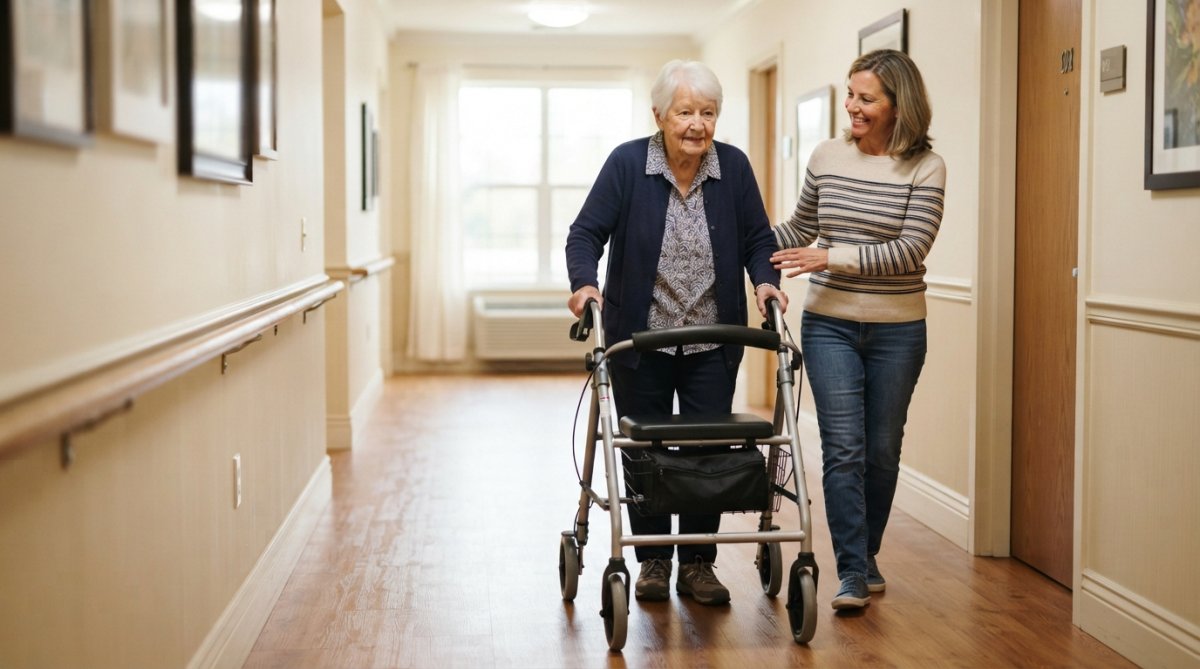
A common mistake is choosing equipment based on appearance rather than function. A rollator that looks modern but feels unstable in the person's hands creates more danger, not less. The best equipment feels natural to use, it becomes invisible because it works so well the user forgets they're using it.
When evaluating mobility aids, test them in realistic conditions. Can the person grip the handles comfortably? Does the height feel right for their arm length? Can they sit down and stand up from a rollator seat without struggling? These practical tests reveal far more than product descriptions.
Bathroom Safety Equipment for Seniors
Bathrooms are where many falls happen. Water, slippery surfaces, and the need to balance while undressing create genuine hazards. Bathroom safety equipment for seniors transforms these risky spaces into manageable ones.
Grab bars mounted securely to walls provide something stable to hold while stepping into a tub or shower. Shower chairs or benches let someone sit down while bathing instead of standing on a slippery surface. A bedside commode brings toileting closer to the bed for people with limited mobility. Non-slip bath mats reduce the risk of sliding on wet floors.
The difference between equipment that works and equipment that fails often comes down to installation and positioning. A grab bar installed at the wrong height or into drywall instead of studs becomes a liability rather than a safety feature. Shower chairs need secure, non-slip feet to prevent sliding. Toilet seat risers must fit the specific toilet securely.
Many caregivers underestimate how much bathroom safety matters. A fall in the bathroom often causes more serious injury than a fall in other rooms because of hard surfaces and the person's vulnerable position. Prevention through proper equipment is far easier than managing a fracture or head injury.
When selecting bathroom safety equipment, think about the specific activities that create risk. Is the challenge getting into the tub? A shower chair solves that. Is it standing up from the toilet? A raised toilet seat with grab bars helps. Is it walking on wet floors? Non-slip mats and grab bars work together.
Drive DeVilbiss Bariatric Homecare Bed →
Bedroom and Transfer Assistance Equipment
Bedrooms present their own safety challenges. Getting in and out of bed, changing position during sleep, and moving from bed to wheelchair or walker all require stability and support. Bedroom equipment focuses on these specific transitions.
Bed rails prevent rolling out of bed and provide something to grip when sitting up or repositioning. Transfer boards create a bridge between the bed and a wheelchair or chair, making transfers safer and easier on both the person and the caregiver's back. A low-height adjustable bed reduces the distance someone needs to climb to get in or out, making transfers less stressful.
Caregivers often experience back strain from helping someone move. Equipment that reduces strain, like transfer boards or mechanical lifts, protects both the person being cared for and the caregiver's long-term health. A caregiver with a back injury cannot provide good care, so equipment that makes transfers easier actually improves the quality of care for everyone.
The psychological impact of bedroom equipment deserves attention too. Some people feel infantilized by bed rails or feel that a transfer board signals they're losing independence. Open conversations about why equipment matters, safety, comfort, caregiver protection, help people accept tools that genuinely improve their life.
Home Safety Assessment for Elderly Residents
Before selecting equipment, understand the actual layout and challenges of the home. A home safety assessment identifies where falls are most likely, where mobility is restricted, and where equipment would make the biggest difference.
Start by walking through the home with the person and their caregiver. Notice doorway widths, can a rollator or wheelchair fit through? Are there steps between rooms that create barriers? Is lighting adequate in hallways and bathrooms? Are there clutter or throw rugs that create tripping hazards? Is the bathroom accessible, or would equipment need to be positioned creatively?
Common problem areas include narrow hallways that don't accommodate walkers, bathrooms without grab bars, bedrooms with furniture arrangements that block safe movement, and entryways with steps. Each home is different, so a generic equipment list won't work. What one person needs might be unnecessary for another based on their specific layout.
A practical assessment also considers the caregiver's needs. If a caregiver is shorter or has limited strength, certain equipment choices become more important.
Selecting Equipment for Facility Compatibility and Individual Needs
The best equipment serves both the person's medical needs and the realities of their home and care routine. This intersection, medical necessity, physical space, and practical daily use, is where good equipment choices live.
Building a Sustainable Equipment Plan
Equipment needs change over time. What works today might not work in six months as someone's mobility or strength shifts. A sustainable plan anticipates these changes and builds flexibility into the approach.
| Equipment Type | Primary Purpose | When It Helps Most |
|---|---|---|
| Mobility aids (walkers, rollators, canes) | Support safe walking and balance | Early to moderate mobility loss |
| Grab bars | Prevent falls during transfers | Bathroom and bedroom use |
| Shower chairs | Enable safe bathing | Difficulty standing or balance loss |
| Transfer boards | Assist safe movement between surfaces | Bed-to-wheelchair or chair transfers |
| Bed rails | Prevent rolling out and aid positioning | Nighttime safety and repositioning |
| Raised toilet seats | Reduce strain on joints during toileting | Arthritis or hip/knee mobility loss |
Frequently Asked Questions
What qualifies as durable medical equipment for daily use?
Durable medical equipment includes items that are medically necessary and built to withstand repeated use. Common examples include mobility aids like rollators and walkers, transfer boards, bedside commodes, shower chairs, bed rails, and adjustable beds. Equipment must serve a medical purpose beyond general comfort and be appropriate for the individual's specific condition or mobility challenge. Your healthcare provider can help determine what qualifies as medically necessary for your situation.
How do I determine which mobility aids are necessary for a loved one?
Consider your loved one's mobility limitations, balance, strength, and activities of daily living. Consider their home environment, width of doorways, and whether they live alone or with caregivers. A lightweight 4-wheel rollator with a padded seat works well for those needing support during walks, while a manual wheelchair suits those unable to walk independently. Test equipment when possible and involve your loved one in the decision, comfort and confidence matter as much as safety features.
What are the most important features to look for in bedroom safety equipment?
Prioritize adjustability, fall prevention, and caregiver support. An adjustable bed allows safe positioning for rest and makes transfers easier for caregivers. Bed rails provide stability for independent movement and prevent falls during sleep. Look for equipment with sturdy construction, non-slip surfaces, and ergonomic design that reduces strain on both the resident and caregiver. For bariatric patients, ensure the bed has adequate weight capacity and is reinforced for durability. The right combination reduces fall risk, promotes independence, and protects caregiver safety during daily assistance.
How can caregivers ensure equipment meets safety standards in a shared living environment?
Source equipment from authorized retailers who work directly with verified manufacturers, this ensures authentic products with proper documentation and warranty support. Check that equipment is durable and tested for the intended use, especially for weight capacity and repeated daily use. Verify dimensions fit your space: measure doorways, hallways, and bathrooms before purchasing. Train all caregivers on proper use, positioning, and maintenance. Inspect equipment regularly for wear, and keep documentation of purchases and any adjustments made. A home safety assessment by a professional can identify gaps and confirm your setup meets current best practices.
Leave a comment